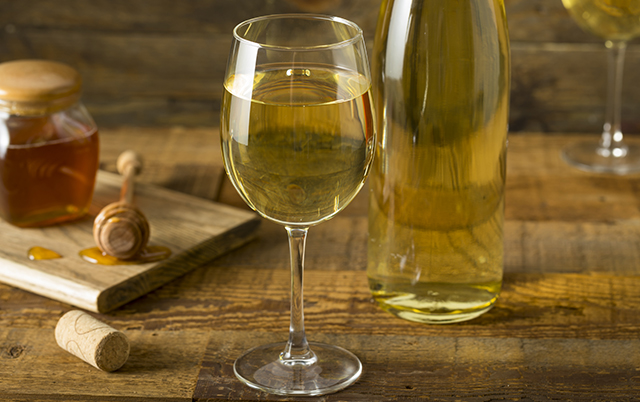
When it comes to making alcoholic beverages, the basic process is the same no matter what the spirit is. From wine to beer, bourbon to rum, gin to mead, the essential method of making ethanol is the same. Introduce yeast to a liquid containing some form of sugar, and through the process of fermentation, the yeast cells eat the sugar and create alcohol as a waste product.
Every spirit shares this same foundational beginning, with variations of the spirit starting at fermentation. Taste, smell, color, texture and other aspects of the liquor are all determined by the initial ingredients and continue to evolve with the additions of other botanicals and the method of storage.
The process of fermentation is so basic in fact, that animals have been known to get drunk on fermented fruit. Over-ripened berries, exposed to wild yeast, can ferment and produce alcohol. Birds and small animals can become intoxicated by consuming the alcohol laden fruit.
There is a myth that elephants in Africa purposefully consume fruit from the marula tree to get drunk. Elephants actually eat the abundant fruit fresh, directly from the tree, and not from the ground. The fruit is such a desirable food, anything falling to the ground is quickly consumed by smaller animals, never giving the fruit a chance to ferment.
While some of the fruit could potentially escape being eaten by smaller animals and ferment, the amount of alcohol infused fruit needed to get an elephant drunk is well more than what actually exists.
Although we aren’t seeing drunken elephants roaming around, this accidental type of fermentation was the original source of alcohol consumed by humans for thousands of years. Over-ripened berries and wild yeast have provided the first forms of consumable alcohol. One of the oldest known forms of alcohol created by humans on purpose was made eight thousand years ago with honey.
Mead is not a beer, nor is it a wine. It is in fact its own category of liquor. While wine is made from grapes, whiskey from grains, mead is made from honey. For thousands of years people have taken a honey and water mixture and allowed it to ferment to make mead.
Honey is a common sugar found around the world and pre-dates grapes as the sugar source for the fermentation. In the same way that wine gets its variety of flavors from grapes, mead gets a variety of flavors from the honey.
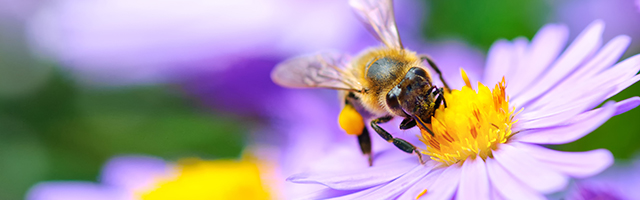
Honeybees collect pollen from flowering plants and convert the pollen into honey. The bees, in their job to collect pollen, will visit a variety of different flowers. The variation of the types and numbers of flowers the bees visit, changes the makeup of the honey produced by the bees.
Like grapes for wine, which can have vastly different flavors based on the growing locations, soil conditions, weather, climate and more, honey has similar influences which alter the flair of the honey. There are more than 300 types of honey in the United States, each coming from different combinations and variations of pollen botanicals, climate and weather.
Mead is created in the same way as beer or wine. The honey is combined with water and yeast and allowed to ferment. Additives like herbs and spices, or other unique additions like flowers, peppers or wood, can be added before or after the fermentation. Once the fermentation is complete, the mead can be bottled for consumption, or stored in wood barrels like whiskey to further enhance the flavors.
While mead isn’t as popular as wine and beers, there is a significant presence of craft meaderies in Colorado. Visit one of them locally and check the larger liquor stores for craft meads.